
Major disasters in Louisiana
FEMA declared 16 major disasters for Louisiana for storms, floods, hurricanes and winter storms from 2016 to 2026, excluding the COVID-19 declaration. Hurricane Ida (DR-4611) was declared on August 29, 2021.
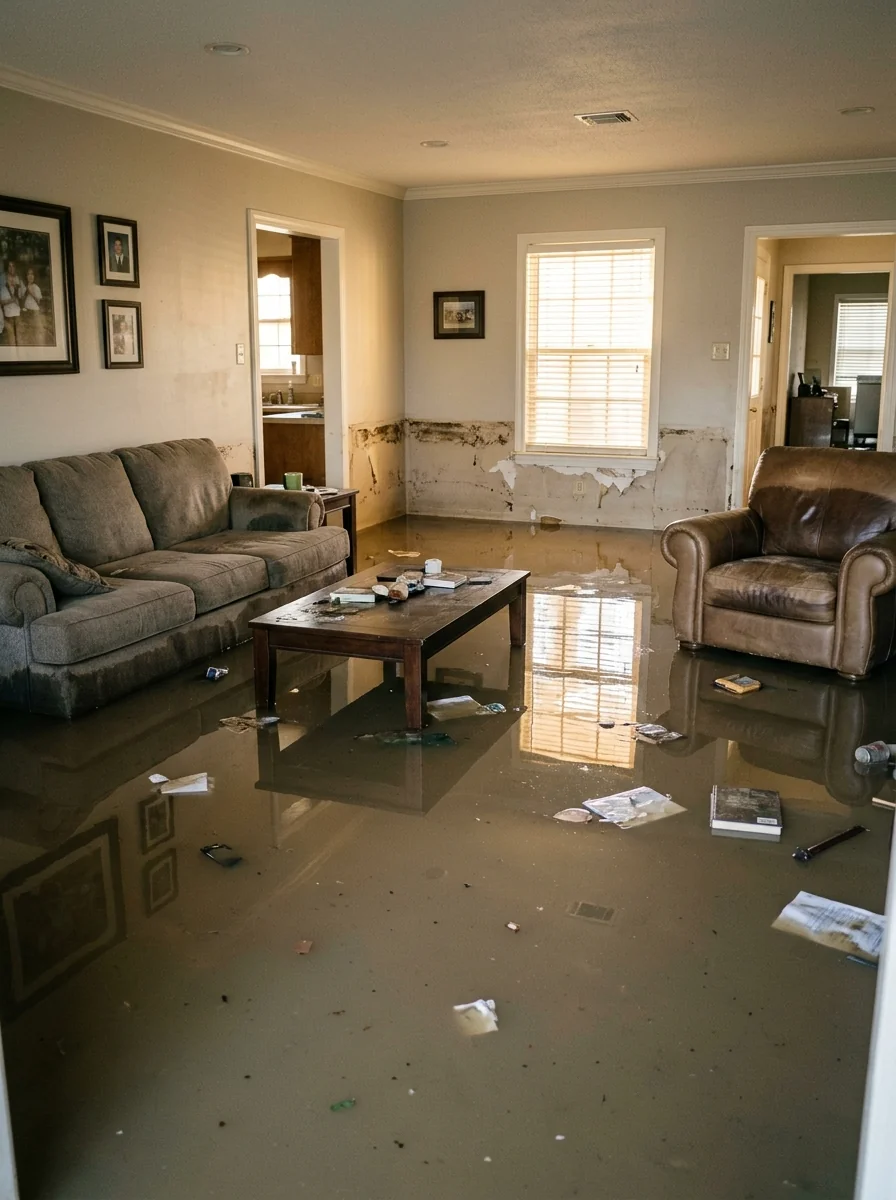
Emergency water removal, drying and cleanup across Louisiana.
Water damage restoration is the removal of standing water, the drying of a building and its contents, and the cleaning of what can be saved after flooding, storms or a leak.
Standing water or wet materials mean the home needs restoration now. LSU AgCenter advises that all wet materials, including wood, dry thoroughly before they are covered or enclosed.
A musty or moldy smell means mold is likely growing. The EPA states that a moldy odor suggests mold is growing in the building and should be investigated.
Mold can climb above the flood line. LSU AgCenter notes that moisture wicks up drywall, so mold can extend above the flood level.
Wet carpets, carpet pads and rugs are removed within 24 hours, and the floor beneath is then disinfected (LSU AgCenter).
Water damage restoration in Louisiana runs in five stages: power and hazards, removal, cleaning, drying, and mold control. Each stage starts only after the one before it is complete.
Turn off the main power from a dry location if you can do so safely. If you must enter standing water to reach the switch, call an electrician, who should check the electrical system before power returns.
Porous materials that absorbed flood water are removed and discarded, except solid wood and sometimes plywood. Solid materials such as plastic, metal, glass, solid wood and masonry can be cleaned.
Cleanable surfaces are cleaned, then disinfected, because floodwater can carry sewage and other biohazards. LSU AgCenter advises cleaning with detergent first, because disinfectant kills bacteria only on a clean surface.
EPA says the home and everything in it should be dried within 24 to 48 hours where possible. The CDC recommends opening doors and windows, and using fans and dehumidifiers once electricity is safe to use.
Visible mold is removed and the area is dried right away. Painting or caulking over mold does not stop it from growing, so the water problem is fixed and the mold is cleaned before any paint or caulk goes on.
Describe where the water came from and what has been wet.
Act fast
Timing varies by site. EPA says to dry water-damaged areas and items within 24 to 48 hours. Anything wet with flood water that cannot be cleaned and dried in that time should be taken outside, after photos are taken for insurance claims.
EPA says mold can grow on wood, drywall, carpet and furniture that remain wet for more than 24 hours. LSU AgCenter (2017) says mold begins to grow on materials that stay wet longer than two or three days.
Check these points before you hire anyone for water damage restoration or mold cleanup. Each point names the source it comes from.
Hiring a contractor for mold remediation is typically not required, but a professional is usually safer and more effective than doing the work yourself.
LSU AgCenter (2012) says a professional water-damage restoration contractor with special drying equipment is the best and safest way to go.
LSU AgCenter (2017) says to take photographs before cleaning up for insurance purposes, and to get started.
LSU AgCenter (2017) notes that most homeowners’ insurance policies do not cover mold damages or cleanup costs, but flood insurance may cover it.
EPA (2018) says to wait to re-enter until professionals tell you it is safe, with no structural, electrical or other hazards.
EPA (mold remediation guide) says the minimum protective gear is an N-95 respirator, gloves and eye protection.
EPA (mold guide) says a moldy area of less than about 10 square feet can often be handled by the homeowner. Larger areas should follow EPA’s guidance for schools and commercial buildings.
FEMA declared 16 major disasters for Louisiana for storms, floods, hurricanes and winter storms from 2016 to 2026, excluding the COVID-19 declaration. Hurricane Ida (DR-4611) was declared on August 29, 2021.
Floodwater can contaminate a home with sewage and other biohazards, and wet materials can become a mold problem within days.
Home flood damage is not covered under homeowners’ policies. It is covered under National Flood Insurance Program policies or a separate flood policy from a private insurer (Louisiana Department of Insurance).
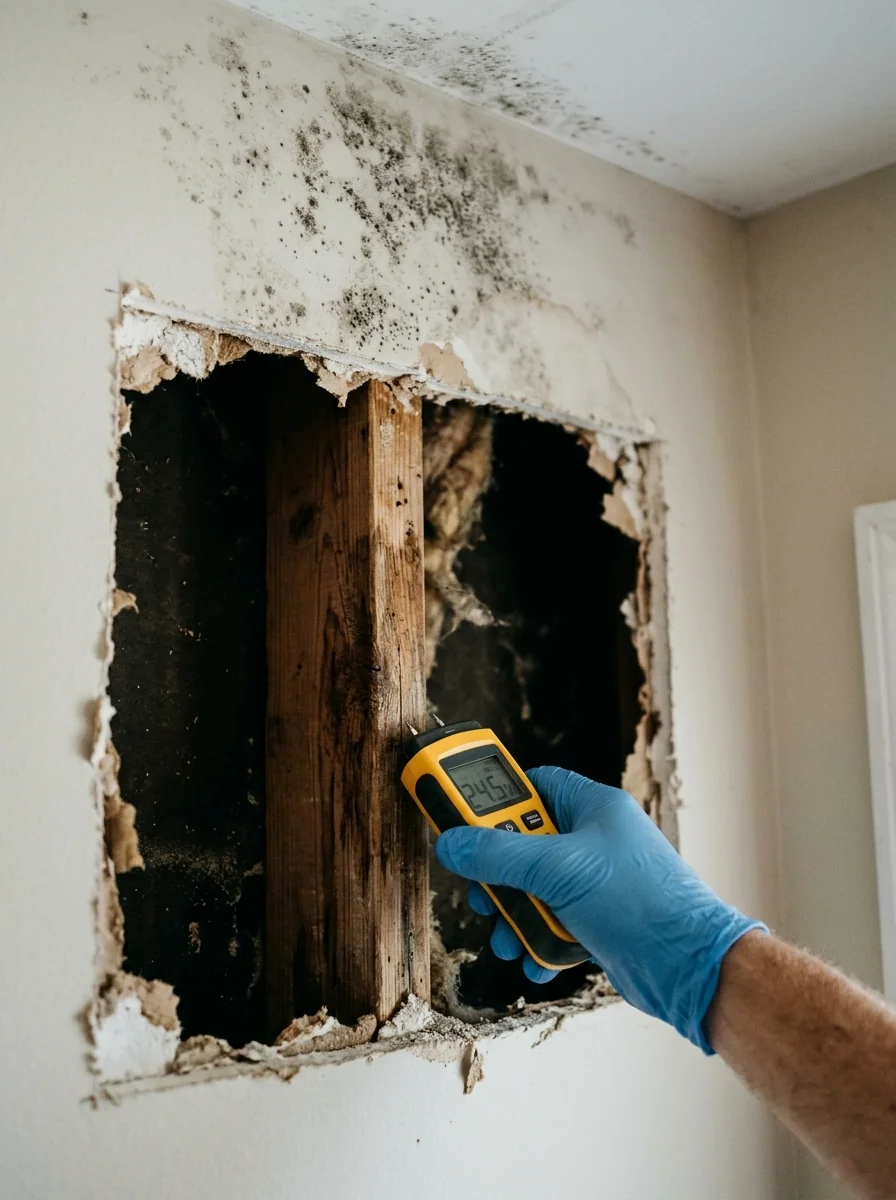
LSU AgCenter says mold begins to grow on materials that stay wet longer than two or three days, so mold remediation removes the growth and fixes the water source.
Read more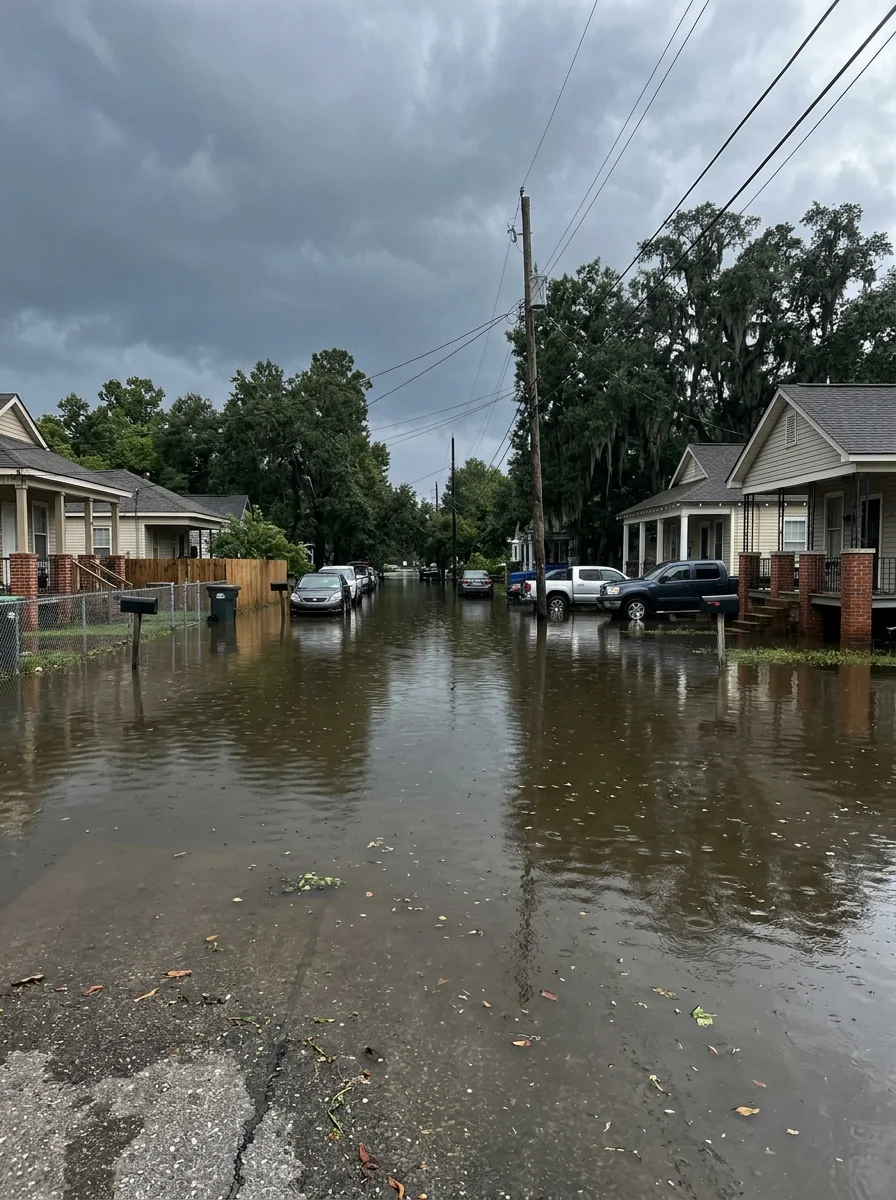
Floodwater can carry hazards that harm health, so emergency flood damage cleanup starts with power checks and safe re-entry.
Read more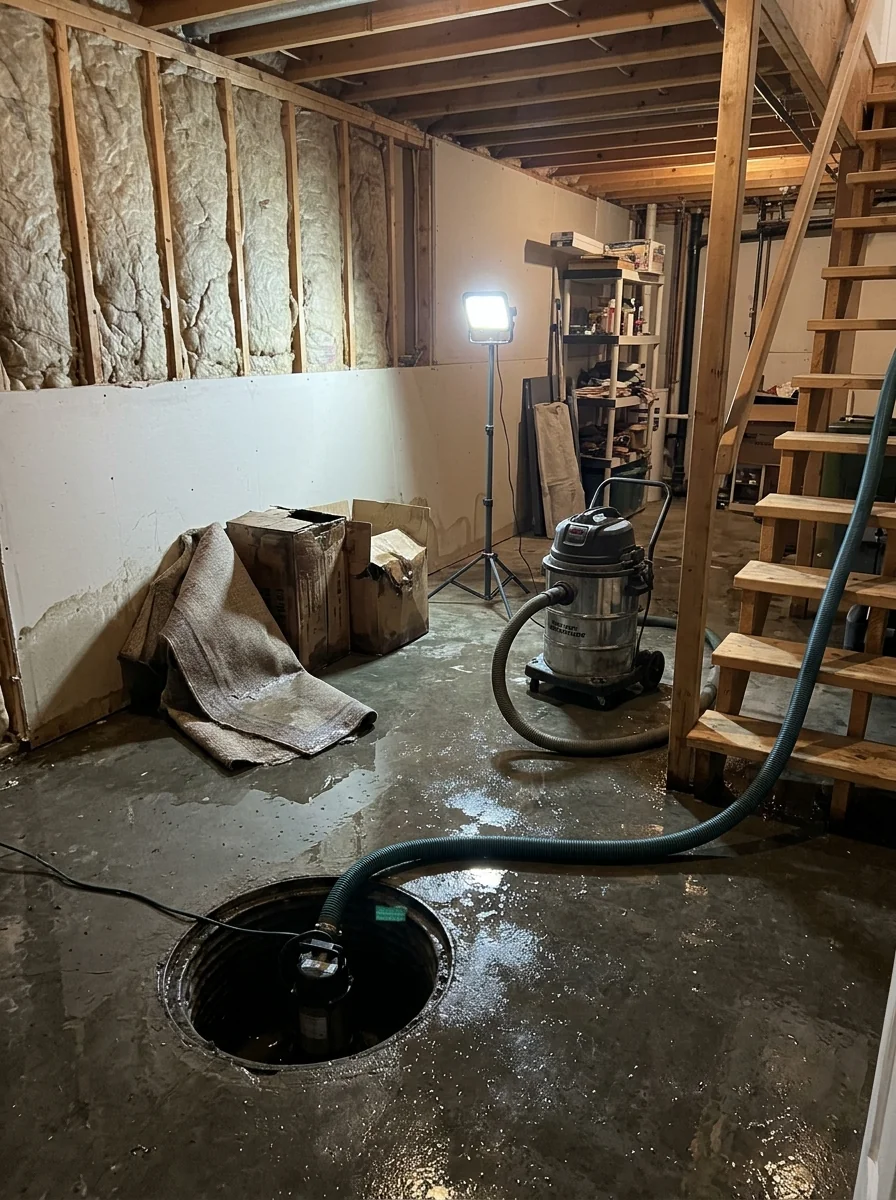
Basement flooding cleanup in Louisiana dries below-grade rooms and checks the structure before rebuilding.
Read more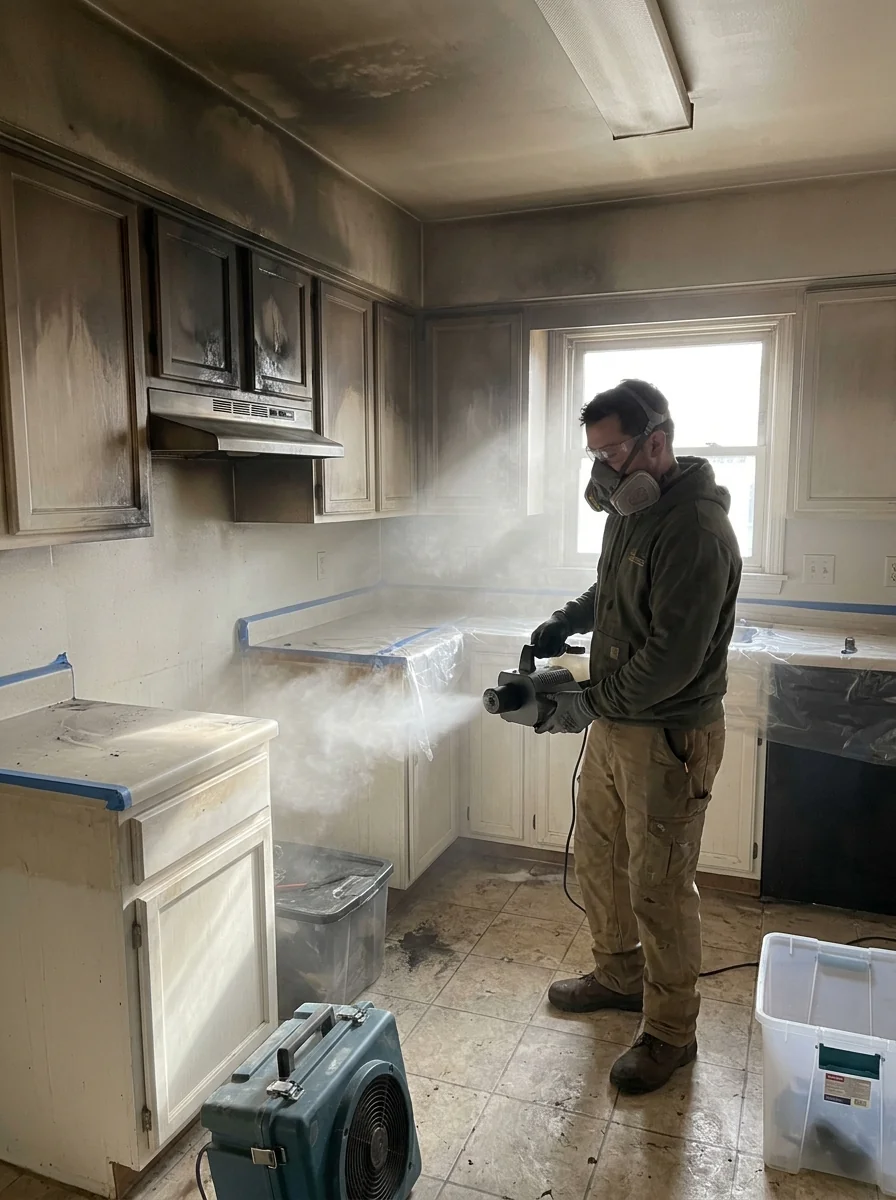
Fire damage restoration in Louisiana covers soot and smoke residue after a fire.
Read more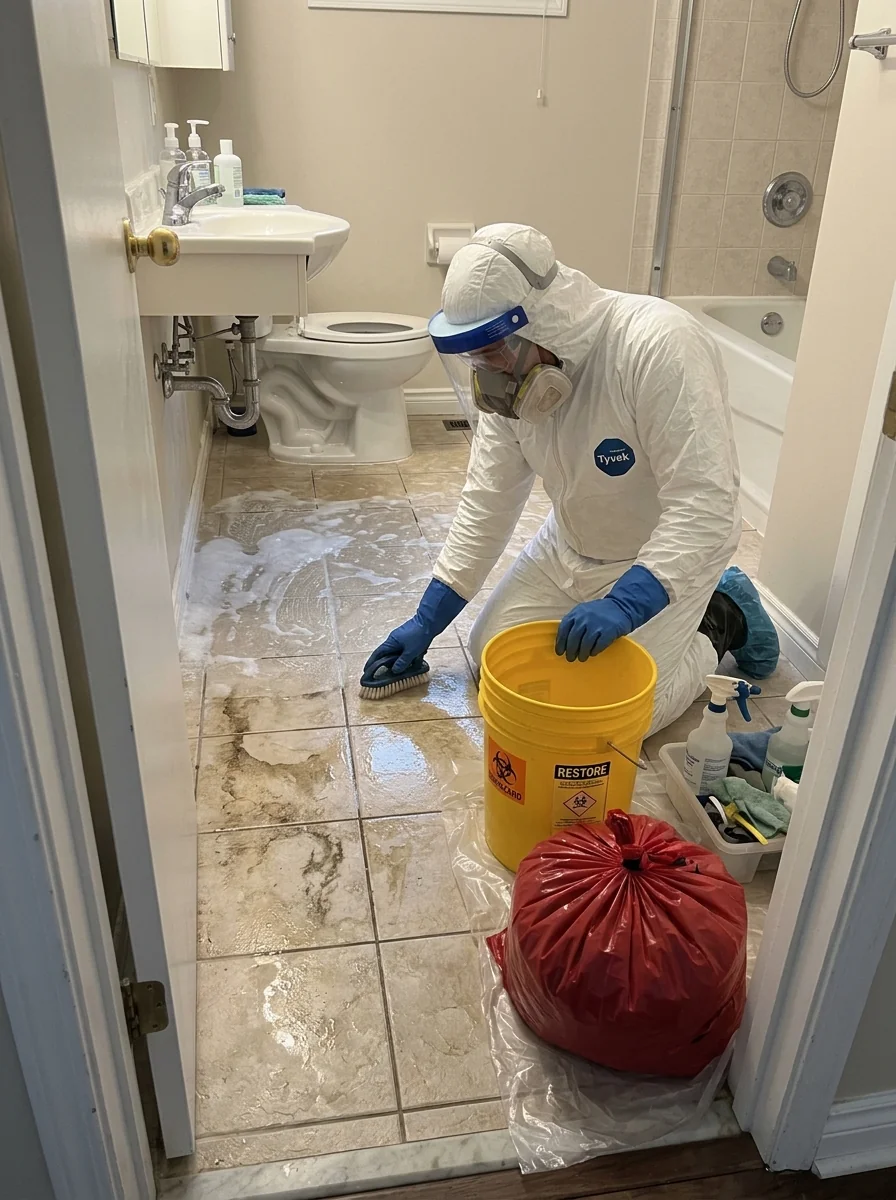
Floodwater contaminated with sewage needs cleaning and disinfection, so biohazard cleanup removes the contaminated materials.
Read moreEPA says mold can grow on wood, drywall, carpet and furniture that remain wet for more than 24 hours. LSU AgCenter (2017) says mold begins to grow on materials that stay wet longer than two or three days.
Not until a building inspector has checked it. The CDC warns that a flooded home may be contaminated with mold or sewage.
LSU AgCenter says a professional water damage restoration contractor with special drying equipment is the best and safest option after a flood.
Home flood damage is not covered under homeowners’ policies. National Flood Insurance Program policies or a separate flood policy may cover it (Louisiana Department of Insurance).
Porous materials that absorbed flood water are removed and discarded, except solid wood and sometimes plywood. Solid materials such as plastic, metal, glass and masonry can be cleaned.
Bleach does not clean up mold effectively while mud and dirt remain on the surface, according to the CDC. Never mix bleach with ammonia or acid products.