Sewage in floodwater
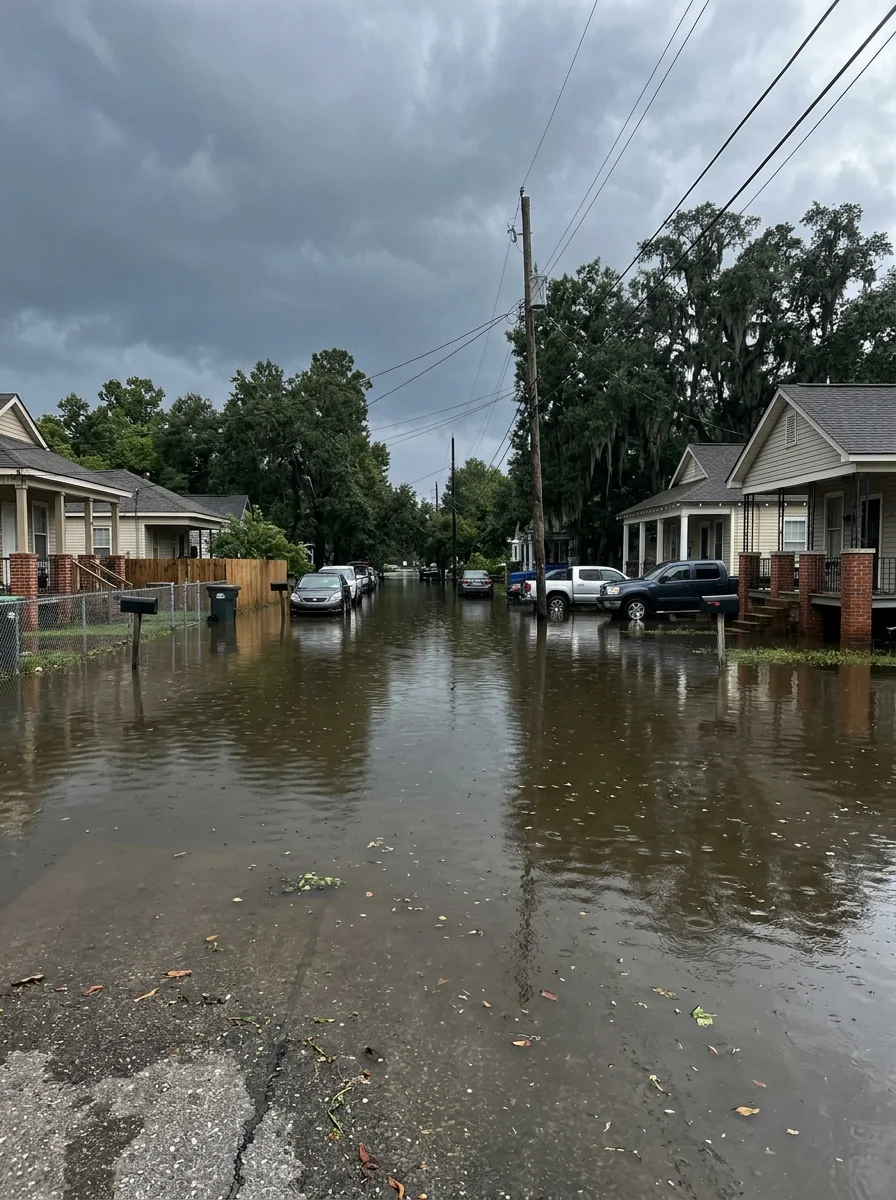
Floodwater is often contaminated with pathogens from sewage, farm animal waste and wild animal populations (EPA).
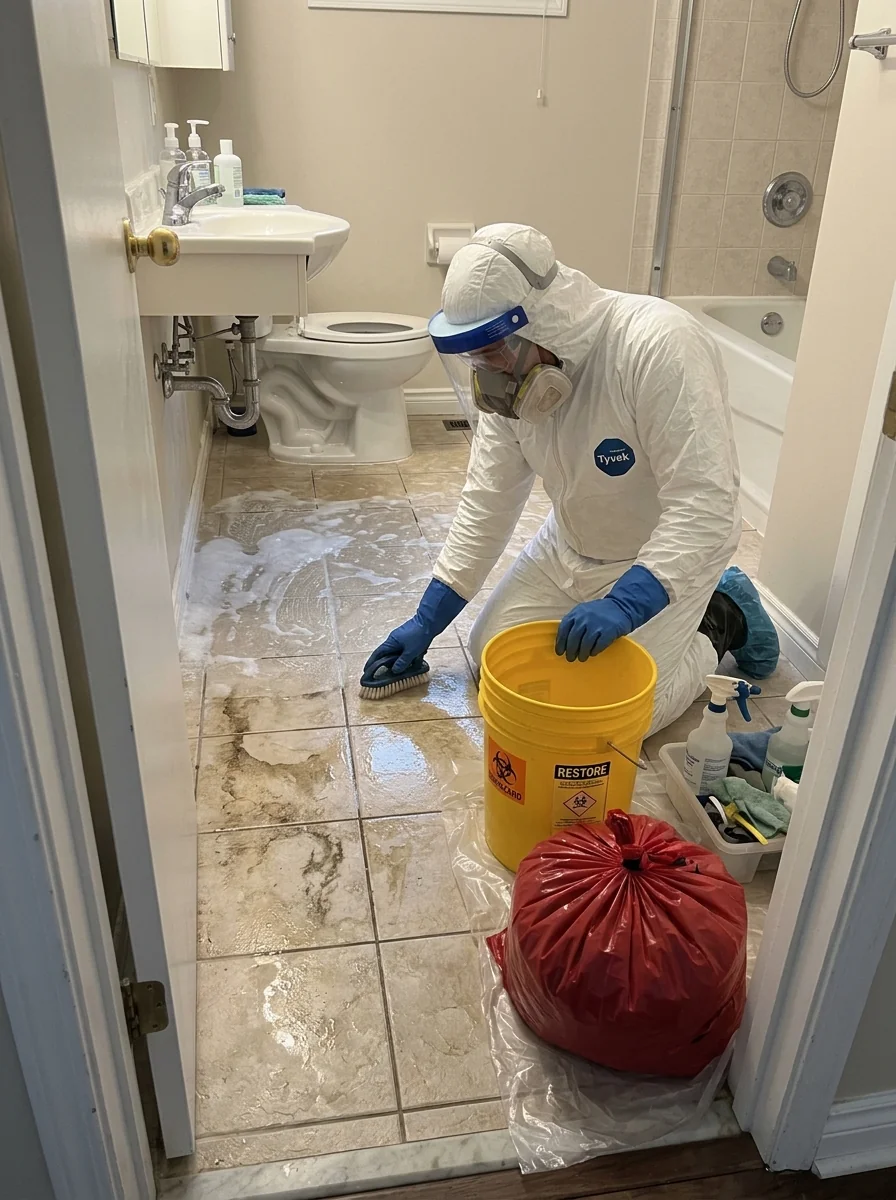
Biohazard cleanup in Louisiana removes sewage-contaminated floodwater and the materials it touched. Call (800) 764-5219 to describe the contamination.
Biohazard cleanup removes floodwater contaminated with sewage and other biohazards, and it disinfects the surfaces that remain (EPA; LSU AgCenter).
Floodwater is often contaminated with pathogens from sewage, farm animal waste and wild animal populations (EPA).
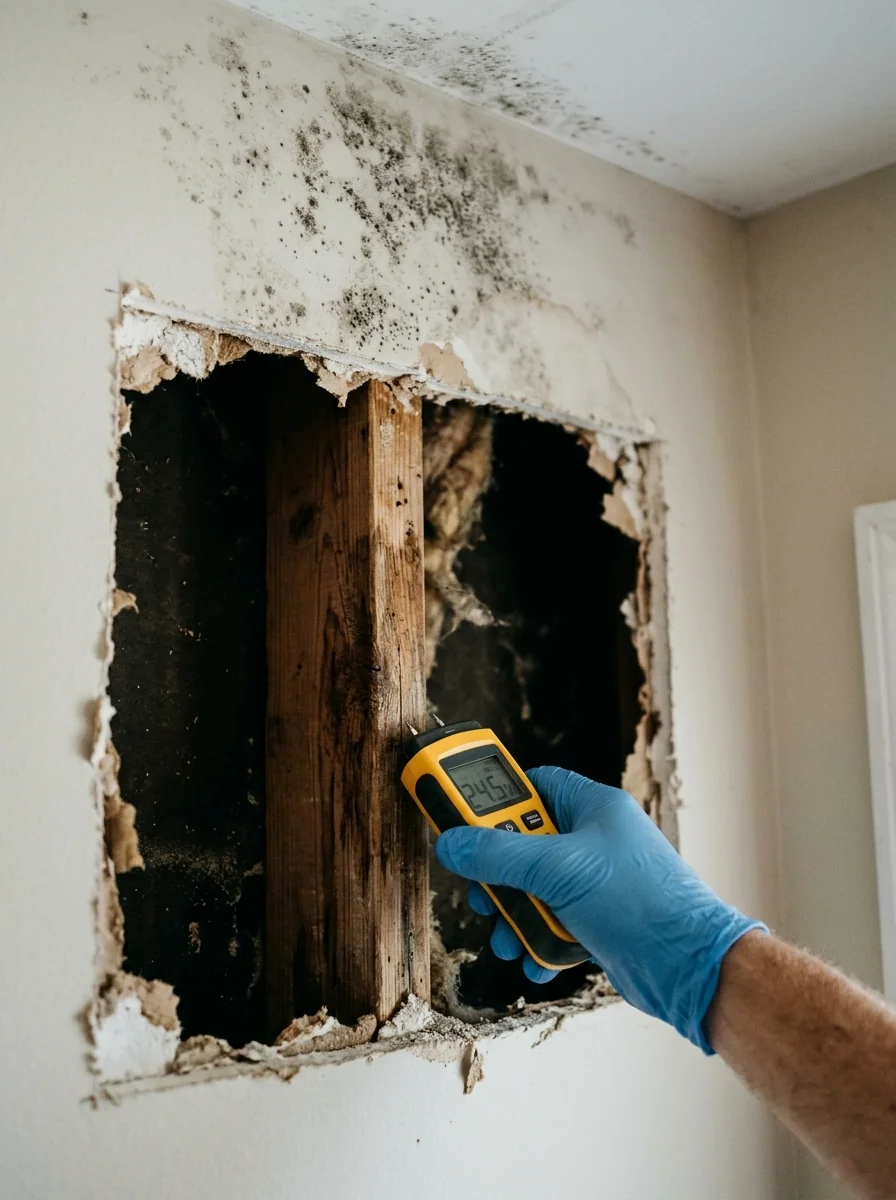
Mold can grow on materials that stay wet for more than 24 hours (EPA).
Porous materials that absorbed floodwater are removed and discarded, except solid wood and sometimes plywood (EPA).
Biohazard cleanup in Louisiana runs in four stages: a sewage system check, cleaning with detergent, disinfection and removal of porous materials. Each stage starts only after the one before it is complete.
Confirm that the sewage system works before remediation starts, so contaminated solids and standing water can be removed (EPA).
Clean surfaces with a detergent solution before disinfecting them (LSU AgCenter).
Disinfect surfaces before the drying process starts. Use disinfectants carefully, and dilute commercial cleaners as directed (EPA; LSU AgCenter).
Porous materials that absorbed floodwater are removed and discarded, except solid wood and sometimes plywood (EPA).
Call (800) 764-5219 and describe the damage.
The sewage system should be checked to work before remediation starts (EPA).
Surfaces are cleaned with detergent first, then disinfected (LSU AgCenter).
Rubber gloves and goggles are worn while handling flood-damaged items (EPA).
Porous materials that absorbed floodwater are removed, except solid wood and sometimes plywood (EPA).
Floodwater is often contaminated with pathogens from sewage, farm animal waste and wild animal populations (EPA).
Category 3 water includes sewage, floods from the sea, a river or a lake, and wind-driven rain from hurricanes (EPA).
Floodwater can include household chemicals, petroleum products, pesticides and flammable liquids (NIOSH).
Category 3 water is heavily contaminated and can contain pathogens or toxins (EPA).
Yes. Flood water can be contaminated with sewage and other biohazards, so cleanable surfaces should be disinfected as well as cleaned (EPA).
Yes. Workers are advised to wash their hands with soap and clean water, especially before eating or drinking (NIOSH).
Only outside, at least 20 feet away from buildings (EPA).
People with asthma or weakened immune systems should stay away from moldy sites and should not take part in flood cleanup (EPA).
Porous materials that absorbed flood water should be removed and discarded, except solid wood and sometimes plywood (EPA).
No. Do not mix cleaning products together or add bleach to other chemicals (EPA).