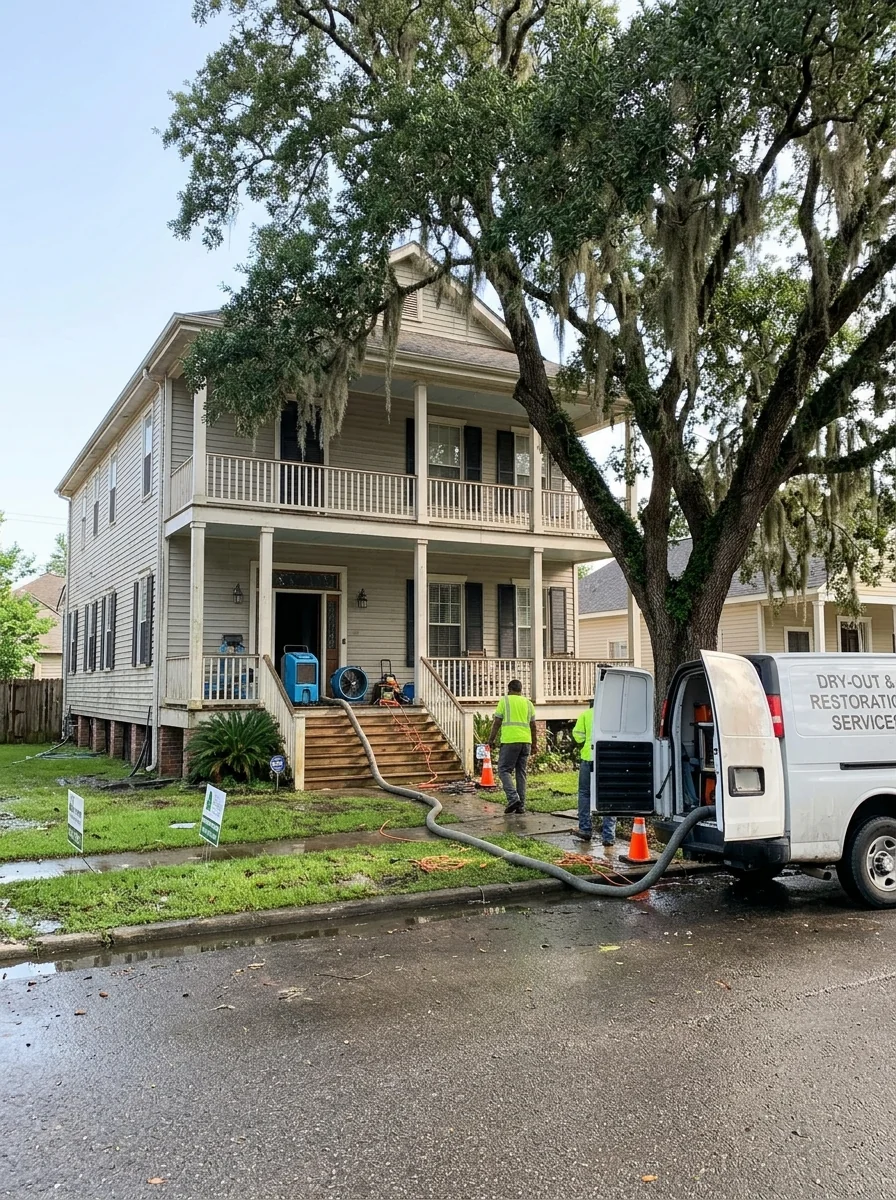
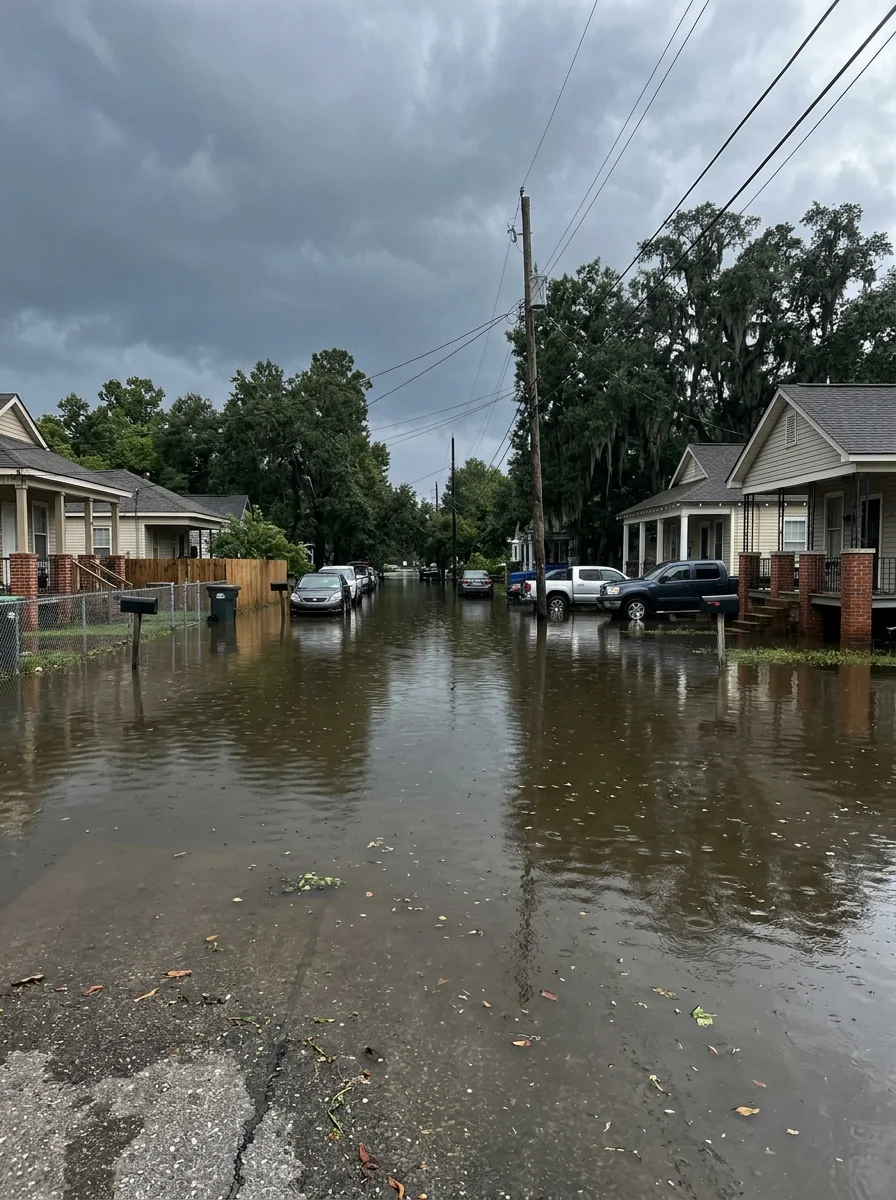
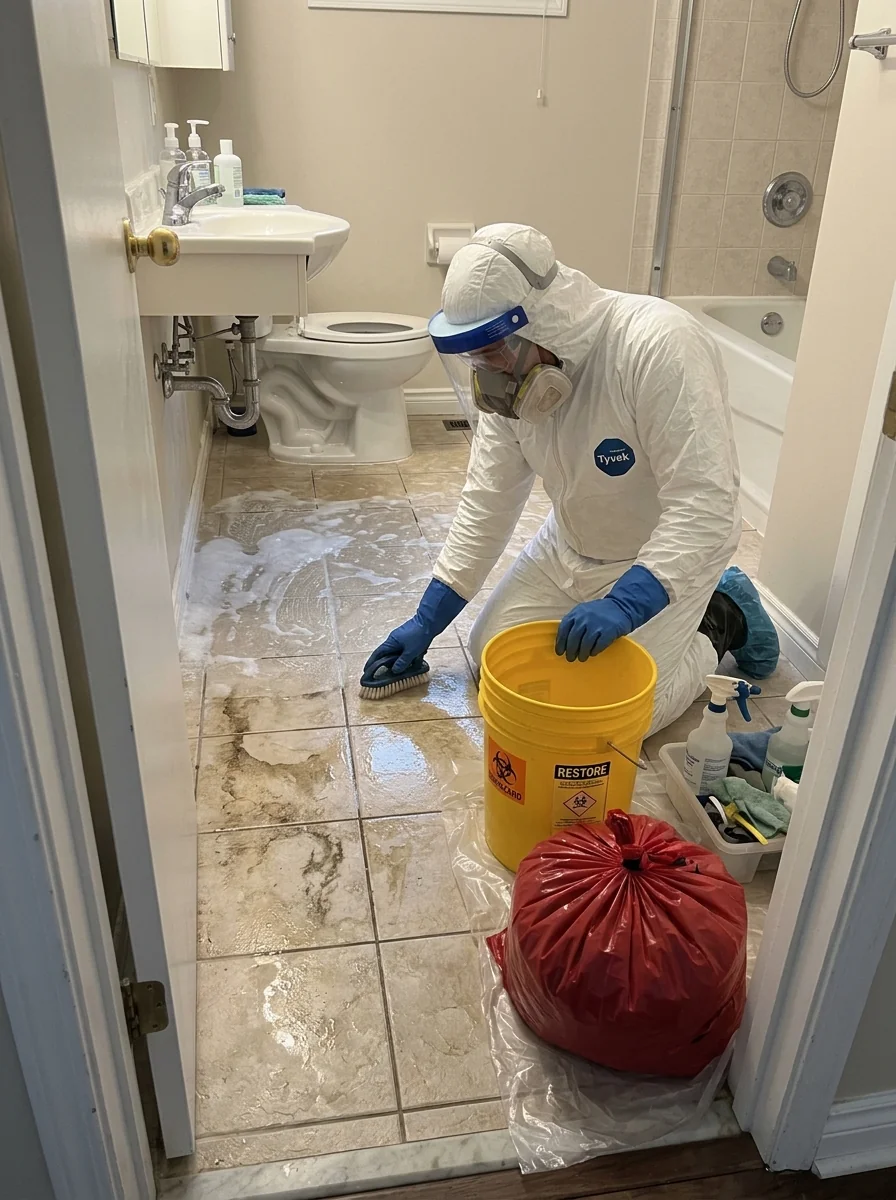
Wet insulation
Wet insulation stays wet too long in Louisiana, which leads to hidden, unhealthy mold and decay fungi (LSU AgCenter, 2021).
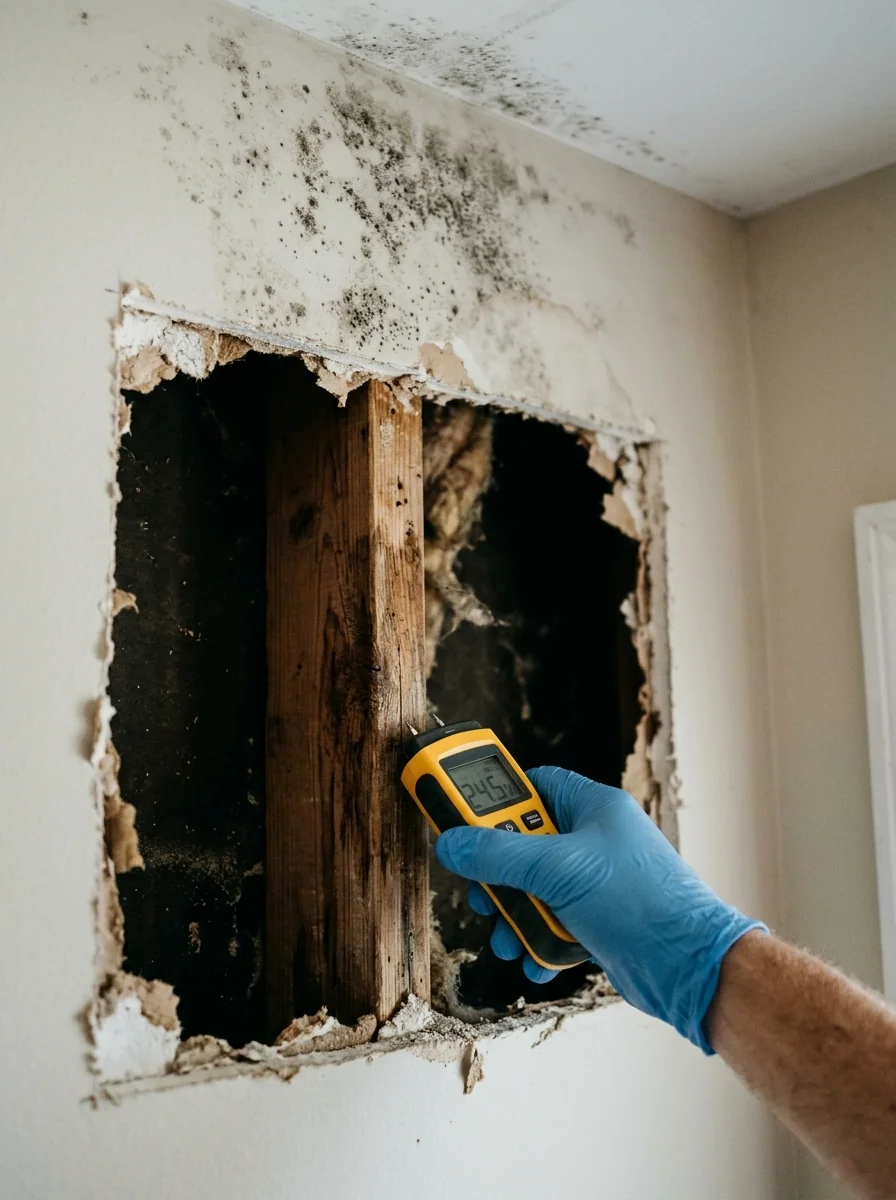
Mold remediation in Louisiana removes mold growth and fixes the water problem behind it. Call (800) 764-5219 to describe the mold.
Mold remediation is the cleanup of mold growth together with the repair of the water problem that caused it (EPA).
A moldy odor suggests that mold is growing in the building and should be investigated (EPA).
Hidden mold is suspected when a building smells moldy but the source is not visible, or when water damage is followed by health problems in the occupants (EPA).
Mold can start when mold spores land on surfaces that are wet (EPA).
Mold remediation in Louisiana runs in five stages: containment, removal of wet materials, cleaning, replacement of moldy materials and drying. Each stage starts only after the one before it is complete.
Sealing off moldy areas keeps spores out of the rest of the house (LSU AgCenter).
Wet insulation is removed right away, even if the wallboard looks dry. Wet carpeting is removed right away (LSU AgCenter).
Hard surfaces are washed with detergent and water, then dried completely (EPA).
Absorbent materials such as ceiling tiles and carpet that became moldy may need to be replaced (EPA).
Wet paneling is pried from the wall so it can dry (EPA).
Call (800) 764-5219 and describe the damage.
Act fast
If mold covers more than about 10 square feet, EPA advises following its guidance for schools and commercial buildings (EPA).
Remediation workers with health concerns should check with their doctors before starting (EPA).
Most homeowners’ insurance policies do not cover mold damage or cleanup costs, but flood insurance may cover it (LSU AgCenter).
Wet insulation stays wet too long in Louisiana, which leads to hidden, unhealthy mold and decay fungi (LSU AgCenter, 2021).
Mold begins to grow on materials that stay wet longer than two or three days (LSU AgCenter).
Most homeowners' insurance policies do not cover mold damage or cleanup costs, but flood insurance may cover it (LSU AgCenter).
If the moldy area is less than about 10 square feet, most people can do the job by following EPA guidelines (EPA). If there was a lot of water damage, or mold covers more than 10 square feet, EPA advises following its guidance for schools and commercial buildings (EPA).
Dry water-damaged areas and items within 24 to 48 hours to prevent mold growth (EPA). Mold begins to grow on materials that stay wet longer than two or three days (LSU AgCenter). The two sources differ, so use the 24 to 48 hour target as the guide.
Mold has the potential to cause health problems, including allergic reactions and asthma attacks (EPA).
The minimum protective gear is an N-95 respirator, gloves and eye protection (EPA).
Most homeowners' insurance policies do not cover mold damage or cleanup costs, but flood insurance may cover it (LSU AgCenter).
No. Mold testing is not usually needed, and it is rarely useful for answering health questions (EPA).
No, if the system may be contaminated with mold, because it can spread mold throughout the building (LSU AgCenter).
If you disinfect, follow the directions carefully and never mix bleach with ammonia or acids (EPA).